Crafting Minimalist Ceramics Inspired by Alaska
Creating ceramics that reflect the beauty of Alaska is not just about the materials and techniques; it’s about capturing the essence of a place that is both rugged and serene. The minimalist approach to ceramics allows artists to focus on form, texture, and color, drawing inspiration from the breathtaking landscapes and unique culture of Alaska. In this blog post, we will explore the process of crafting minimalist ceramics, the materials involved, and how to find inspiration in the Alaskan wilderness.
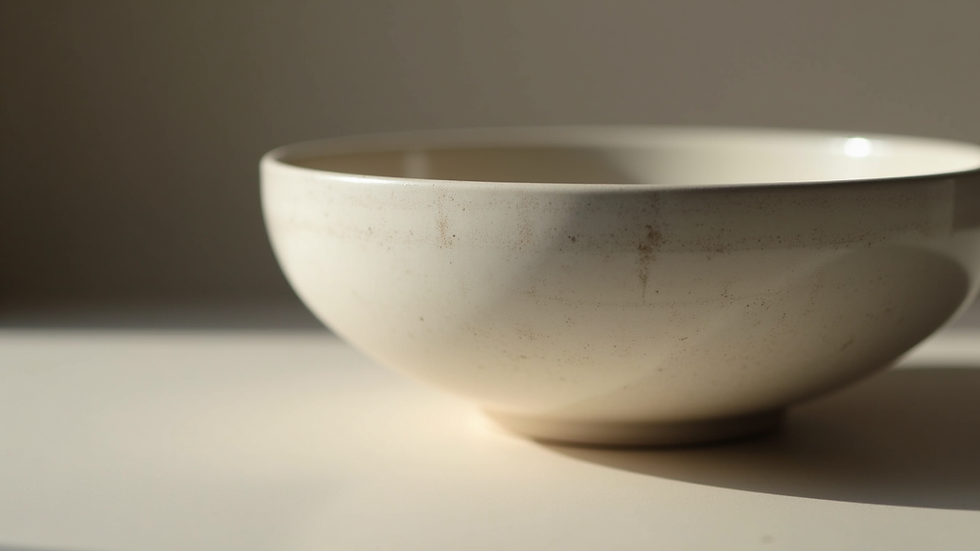
Understanding Minimalism in Ceramics
Minimalism in ceramics emphasizes simplicity and functionality. The goal is to create pieces that are aesthetically pleasing while serving a purpose. Here are some key principles of minimalist ceramics:
Form Over Decoration: Minimalist ceramics often feature clean lines and simple shapes. The focus is on the form rather than intricate designs or patterns.
Natural Materials: Clay, glazes, and other materials should be as natural as possible. This approach not only highlights the beauty of the materials but also aligns with sustainable practices.
Functionality: Each piece should serve a purpose, whether it’s a bowl, cup, or vase. The design should enhance the user experience.
By adhering to these principles, artists can create ceramics that resonate with the beauty of Alaska’s landscapes.
Finding Inspiration in Alaskan Landscapes
Alaska is known for its stunning natural beauty, from towering mountains to serene lakes. Here are some ways to draw inspiration from the Alaskan environment:
1. Color Palette
The colors of Alaska can inspire your ceramic creations. The deep blues of glacial waters, the earthy browns of the tundra, and the soft whites of snow can all be translated into glazes. Consider using:
Glacial Blues: Soft, muted blues that mimic the color of ice.
Tundra Greens: Earthy greens that reflect the vegetation found in the Alaskan wilderness.
Snowy Whites: Crisp whites that evoke the feeling of fresh snow.
2. Textures of Nature
The textures found in Alaska can also influence your ceramic work. The rough surfaces of rocks, the smoothness of glacial ice, and the organic shapes of driftwood can all inspire unique textures in your pieces. Experiment with different techniques to create these textures, such as:
Carving: Use tools to carve patterns into the clay, mimicking the rugged surfaces of Alaskan rocks.
Impressing: Press natural materials like leaves or stones into the clay to create unique impressions.
3. Shapes Inspired by Nature
The shapes of your ceramic pieces can reflect the natural forms found in Alaska. Consider creating:
Organic Forms: Bowls and vases that mimic the curves of mountains or the flow of water.
Geometric Shapes: Clean, angular designs that reflect the sharp lines of icebergs or glaciers.
Techniques for Crafting Minimalist Ceramics
Once you have gathered your inspiration, it’s time to start crafting. Here are some techniques to consider when creating minimalist ceramics:
1. Handbuilding
Handbuilding is a technique that allows for greater creativity and personalization. You can create unique forms by using methods such as:
Pinching: This technique involves pinching the clay to form shapes, allowing for organic and irregular designs.
Coiling: Roll out coils of clay and stack them to create larger pieces. This method can result in beautiful, flowing forms.
2. Wheel Throwing
For those who prefer a more traditional approach, wheel throwing can produce perfectly symmetrical pieces. This technique requires practice but can yield stunning results. Focus on:
Centering the Clay: Properly centering the clay on the wheel is crucial for achieving even shapes.
Controlling the Speed: Adjusting the speed of the wheel can help you create different forms and thicknesses.
3. Glazing Techniques
Glazing is where you can truly express your artistic vision. Consider these techniques:
Layering: Apply multiple layers of glaze to create depth and complexity in color.
Sgraffito: This technique involves scratching through a layer of glaze to reveal the clay body underneath, adding texture and contrast.
The Role of Sustainability in Ceramics
As artists draw inspiration from the natural world, it’s essential to consider the impact of their work on the environment. Here are some sustainable practices to incorporate into your ceramic process:
Use Local Materials: Whenever possible, source clay and glazes locally to reduce your carbon footprint.
Eco-Friendly Glazes: Opt for glazes that are free from harmful chemicals and heavy metals.
Waste Reduction: Minimize waste by recycling clay scraps and using efficient firing techniques.
By adopting sustainable practices, ceramic artists can honor the beauty of Alaska while protecting the environment.
Showcasing Your Work
Once you have created your minimalist ceramics, it’s time to share them with the world. Consider these options for showcasing your work:
1. Local Art Shows
Participating in local art shows can help you connect with your community and gain exposure. Look for opportunities to display your work in galleries or craft fairs.
2. Online Platforms
Utilize online platforms to reach a broader audience. Websites like Etsy or social media platforms can help you showcase your ceramics and connect with potential buyers.
3. Collaborations
Collaborating with other artists or local businesses can create unique opportunities. Consider partnering with local cafes or shops to display your work.
Conclusion
Crafting minimalist ceramics inspired by Alaska is a rewarding journey that allows artists to connect with nature while expressing their creativity. By focusing on simplicity, sustainability, and the beauty of the Alaskan landscape, ceramicists can create pieces that resonate with both functionality and artistry. Whether you are a seasoned artist or just starting, let the breathtaking beauty of Alaska guide your creative process. Embrace the challenge, experiment with techniques, and most importantly, enjoy the journey of creating ceramics that reflect the essence of this remarkable place.


Comments